I thought I’d start off the countdown to Christmas a bit earlier than normal and interweave some new stories with reposts from a few years ago.
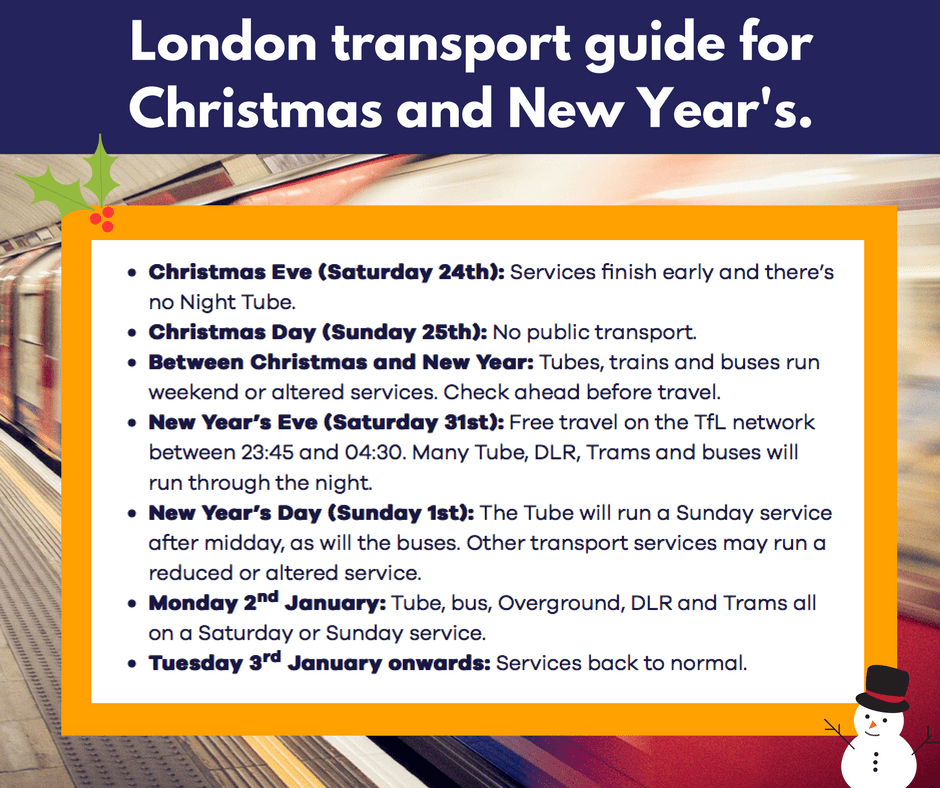
On Christmas Day these days, Britain’s transport network more or less nods off. Trains, tubes, buses all take a break, leaving the streets unusually quiet. But it wasn’t always like this.

Back when the railways were young, before the motor car became king and when Christmas was just a single‑day holiday, trains were a familiar sight even on 25 December.
Some railways had jumped on the Christmas bandwagon relatively early, the Central London Railway, before being amalgamated into the underground network issued Christmas shopping season tickets. It was for use by women only, and permitted unlimited travel during December after 10am. A similar ticket was issued for shopping during the January sales.

It’s funny to think about, really. The idea of the whole country shutting down is a surprisingly modern invention. In our frantic age it feels like a welcome pause to some, but in the past, Christmas Day was just another day to travel.
In 1862, for instance, the South Eastern Railway and the London, Brighton & South Coast Railway both ran Sunday services, with Brighton even getting a brisk 7am express from London.

The Great Northern Railway sold return tickets from 20 December that could be used right up until the 27th, perfect for family visits. The London & North‑Western added extra morning trains from Euston, while the South‑Western Railway dispatched more departures from Waterloo.
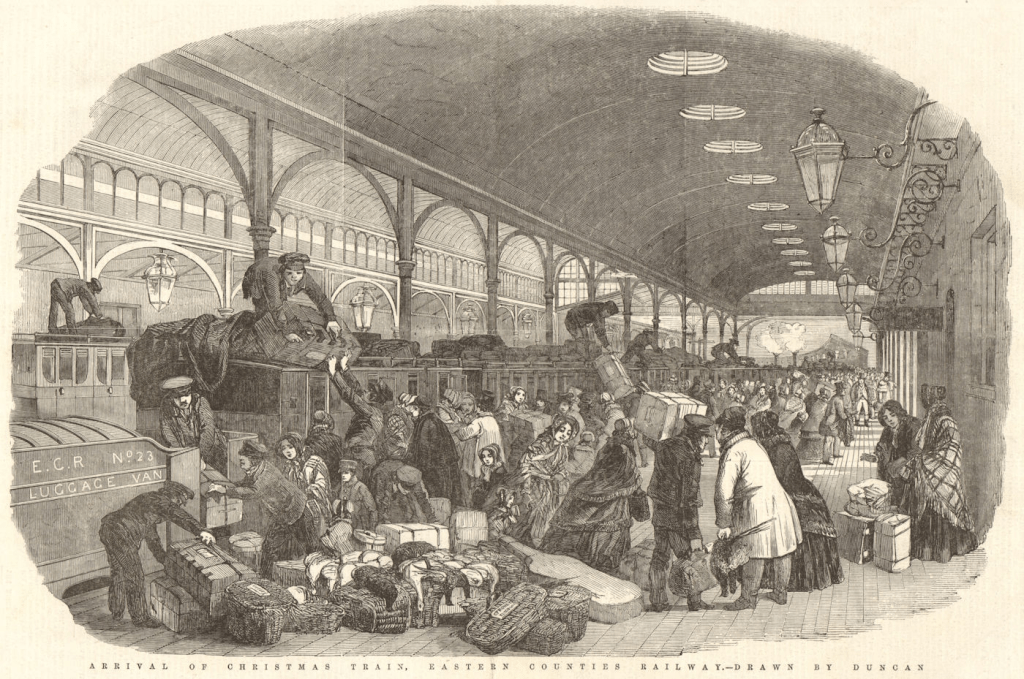

By 1901, newspapers were noting ticket offices staying open late on Christmas Eve so people could buy in advance. That was a hint that things were changing: services were thinning, but demand was still there. Railways even sold gold gift tickets, imagine popping one in the post to a relative with a note saying, “Here you go, hop on a train and come see us.”
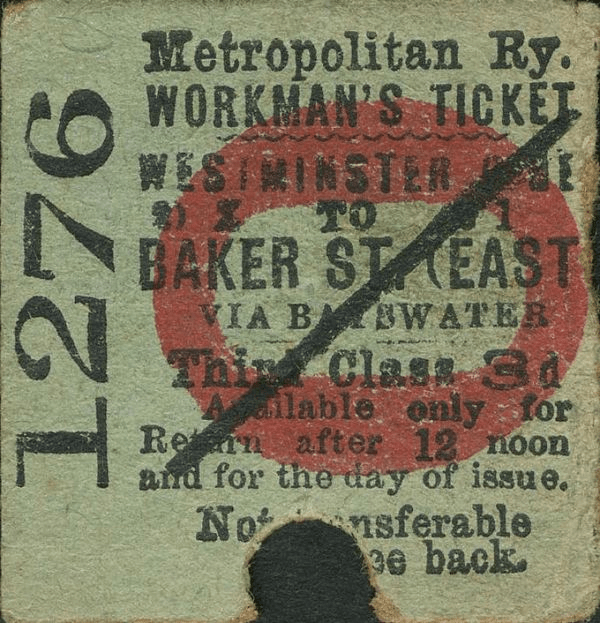
London Underground joined in too. In 1941, they announced early workmen’s trains on Christmas morning, followed by a normal Sunday service. Buses ran until about 4pm, while trams and trolley cars clattered through the night.
The decline began in the mid‑1950s. By 1961, British Rail swung the axe, cancelling most Christmas Day trains to save money. They argued it wasn’t a big deal since extra services would run on Christmas Eve and Boxing Day. Railway staff lost their Christmas Day bonuses, and by 1965 the shutdown was almost complete. Even Boxing Day was pared back.
London Underground held out longer, still running trains and buses on Christmas Day, though on a lighter schedule. Scotland too kept the tradition alive for about another decade. By 1979, only a local Glasgow service remained. After that, silence. In 1981, even Boxing Day briefly joined the shutdown, though bargain hunters soon brought back the reduced service we know today.
And here’s the twist: while passenger trains stop, the railways don’t actually sleep. Christmas Day is prime time for engineers to get stuck into big projects, and freight trains keep rolling. So while we’re carving turkey, the tracks are being tinkered with.

 A LONDON MISCELLANY
‘The Lady representative of’? What’s all that about? I think we know … Yes, I remember my father only had the one day off at Christmas, and indeed only a fortnight’s holiday all year. Austere times …
LikeLiked by 1 person
Oh yes, I’d not spotted that Margaret, obviously the lady representative of the Gentleman of the house. Tea on the table when he got home and slippers by the fire and standing surety over his wife’s railway pass just in case. Perhaps it should of said “If lost please return to…….” Some things have changed for the best. My wife has a railway pass, all I had to do was pay for it! (I make my own tea and don’t own a pair of slippers) 🙂
LikeLiked by 1 person
You’ve passed the test!
LikeLiked by 1 person