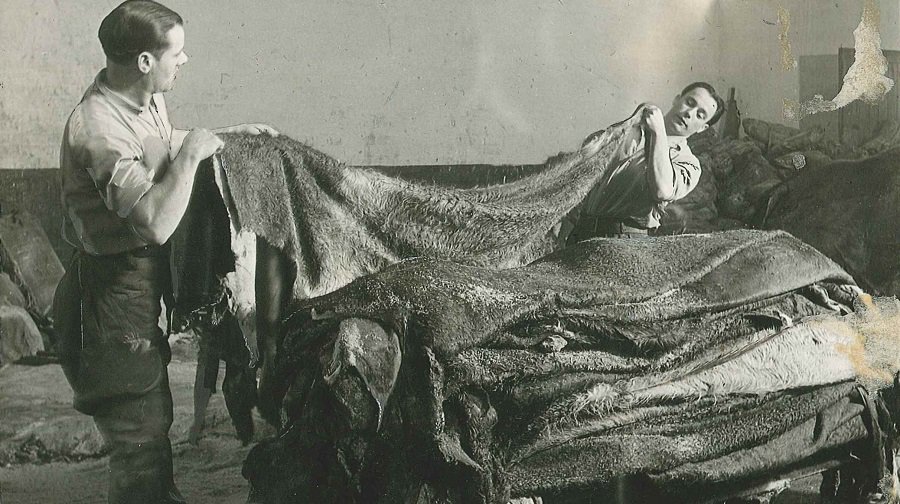
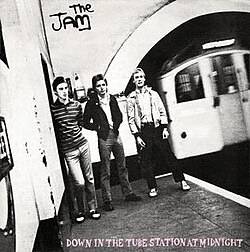
Possibly some readers might be able to complete the song lyric, it is obviously ” it blended in with the weather” as found on the Jam’s fantastic 1978 “Down in the tube station at midnight“. Not the greatest lyrical passage of all time, but one of my favourite songs.
So where am I heading with this one? Going underground? (Jam aficionados will see what I did there) No, I’m going to focus on the leather part of the lyric be it brown or otherwise.
The beginning of the week saw me take a whirlwind there and back in a day trip up to the smoke. I was just seeing to the final touches of a new tour called All that glisters is not gold: A walking tour of Hatton Garden . I then made a quick dash across the river to the area of Bermondsey.
Now I freely admit that in the last year or so I’ve become more enamoured by areas south of the river than I had previously and Bermondsey has been a recent addition to a growing list. However, my south London blinkers had kept me mostly in the dark about the area and it’s history, so there was a lot of reading and research to be done before attempting to plot an informative and entertaining tour around the area. First on the list of “I didn’t know that“, was that Bermondsey was the beating heart of not only London’s but the south easts leather trade.
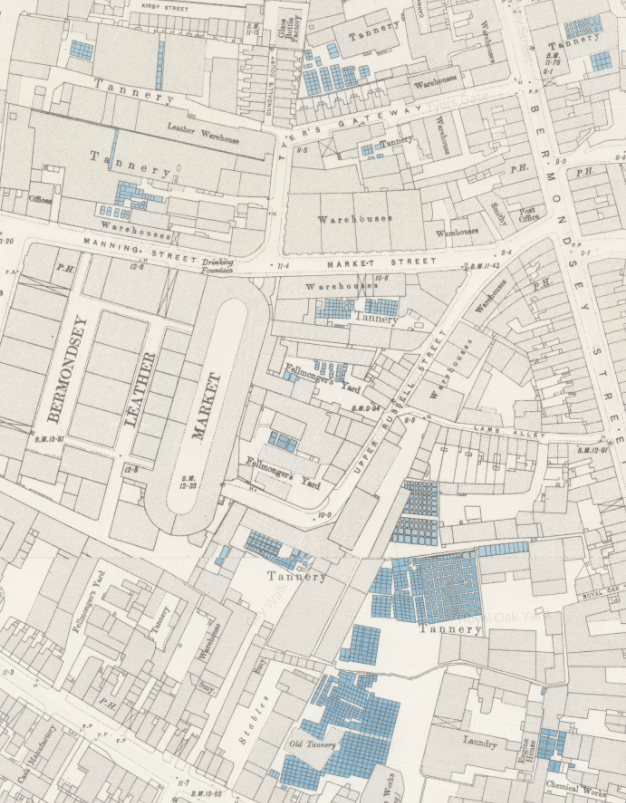
During the 18th, 19th and the early stages of the 20th century Bermondsey was synonymous with the tanning industry, it’s ancillary trades and a myriad of end users, from hat makers to book binders. A quick look at an 1880s map showed just how much of the area was populated by tanning plants, the areas in blue are the tanks that were used to cure the hides.
I’ve visited tanneries in Morocco only a fraction of the size and the smell was appalling, so what it must have smelt like during Bermondsey’s leather heyday must have been close to unbearable!
Looking at my modern day map and actually walking the area bore out the decline and subsequent disappearance of all of these noxious sites and I was worried that I would find no tangible link until I stumbled across what had previously been the Bermondsey Leather Market.
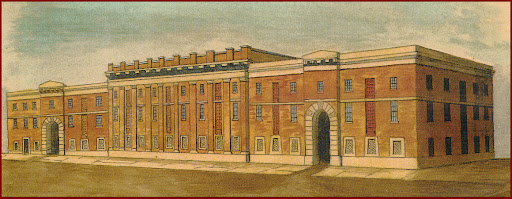
Bermondsey’s leather trade ran for centuries, but by the early 1800s the old markets at Bankside and Leadenhall were no longer big enough. So in 1832–33, the major local tanners pooled around £50,000 and built the Leathermarket on Weston Street, a combined warehouse and trading floor right next to their factories. It had two long ranges around a central yard, and behind them a U‑shaped covered terrace with fifty trading bays where tanners, curriers and leathersellers sold hides and skins. This section was later destroyed in the Blitz.
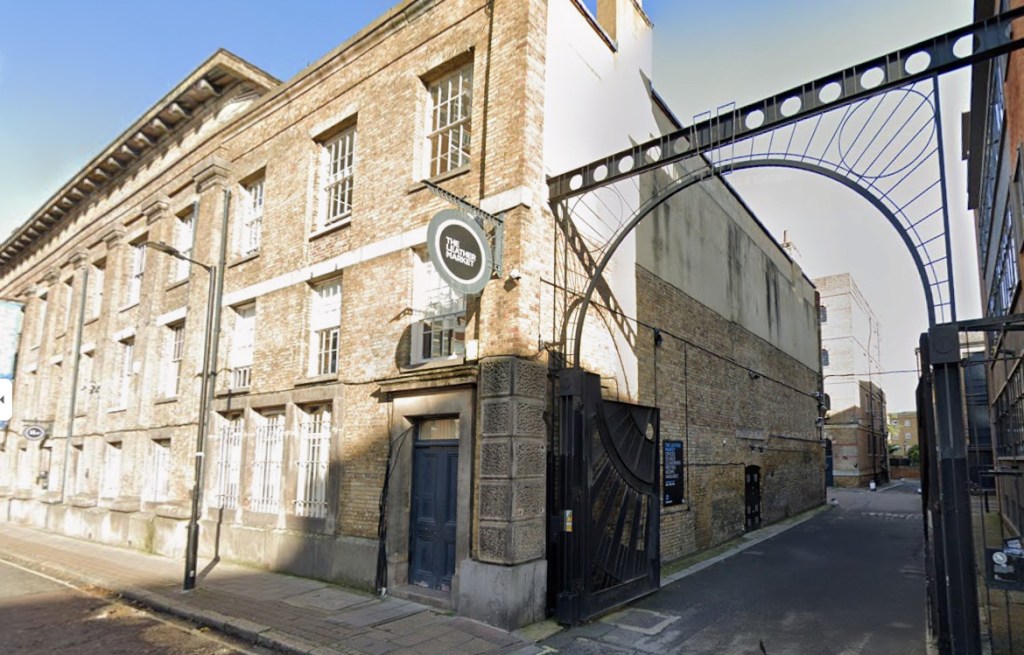
The Bermondsey Leather Market was once a noisy, bustling place where hide auctions sounded more like a football crowd than a trade hall. Buyers shouted bids from the galleries while porters hauled heavy bundles of hides across the floor, some men were so strong they became local legends. The smell was equally famous; bargemen on the Thames joked they could identify Bermondsey with their eyes shut. Next door, the circular Skin Market was nicknamed “the amphitheatre,” with traders looking down like spectators at a strange Victorian arena. It was gritty, loud, and utterly unique.
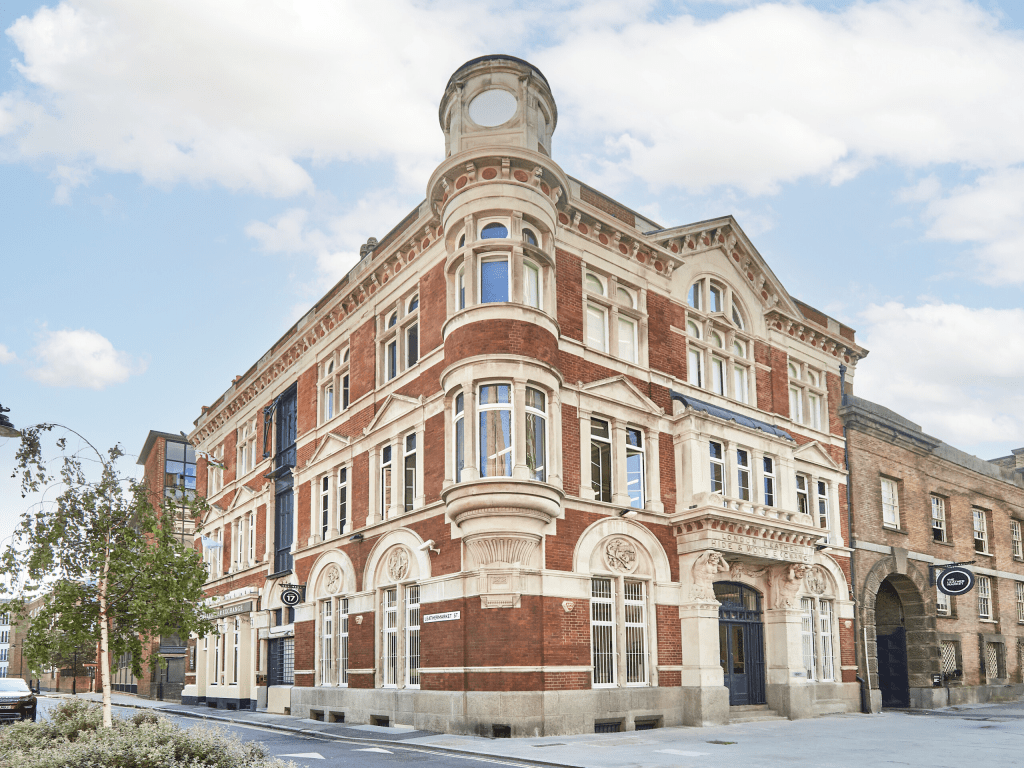
In contrast they added the impressive London Leather, Hide & Wool Exchange in 1878, complete with a private gentlemen’s club upstairs, a real status symbol in Victorian commercial London. The Exchange closed in 1912, but the building survives.
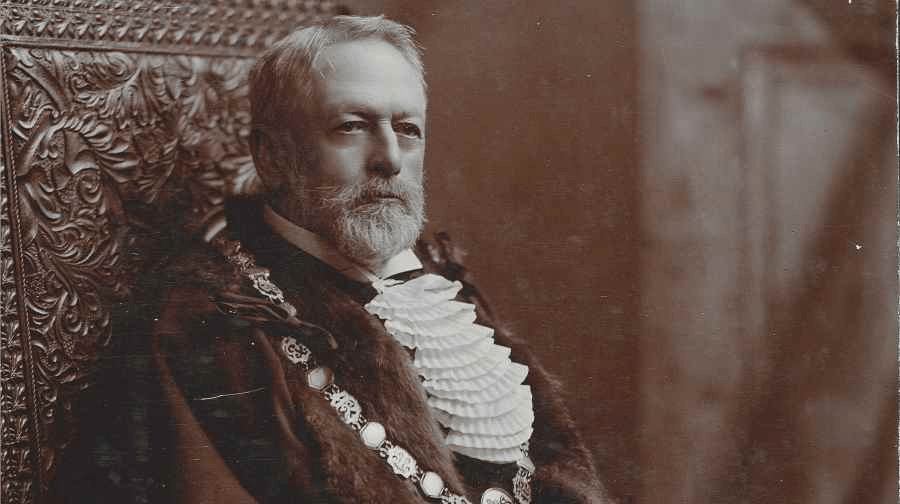
A key figure behind much of the areas development was Colonel Samuel Bourne Bevington, from one of the area’s oldest tanning families. He funded the local volunteer regiment, the Drill Hall, the Vestry Hall, and the original Spa Road library. He became Bermondsey’s first Mayor in 1900 and was known for his generosity; his statue still stands on Tooley Street.
Several Bermondsey tannery families later served as Masters of the Leathersellers’ Company, though by the mid‑20th century most local businesses had closed or moved on.
And when that industry died, Bermondsey sank into one of its darker chapters, poverty, dereliction, and streets worn thin by neglect. But this place has never stayed still. It shifted again, reinventing itself with the same stubborn resilience that carried it through the leather age.

 A LONDON MISCELLANY
I certainly knew nothing about this. Fascinating stuff as ever.
LikeLiked by 1 person
Thanks. Yes it was a voyage of discovery for me as well. Whisper it quietly, but it’s rapidly becoming one of my favourite areas (South of the river,obviously 🙂 )
LikeLiked by 1 person
South of the river should be your favourite anyway!
LikeLiked by 1 person