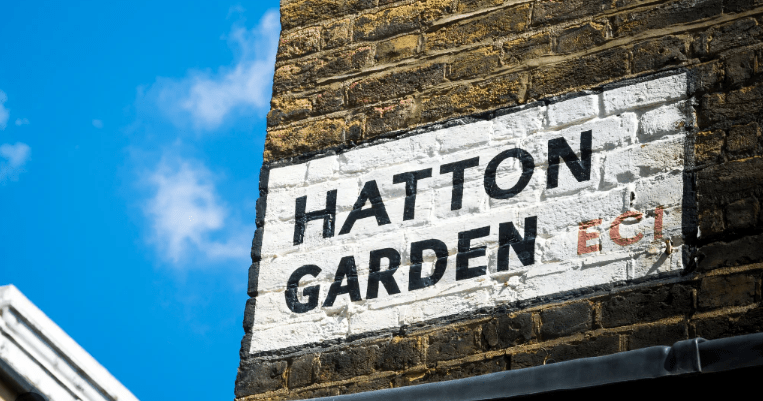
The area of Hatton Garden blends centuries of jewellery craft, hidden vaults, bold heists, and quiet workshops, a London street where glittering wealth and gritty history sit side by side.
While researching and writing a new tour about the area I was surprised to discover in a quiet backwater a very strong link to the Industrial Revolution.
In 1803, this rather forgotten corner of Hatton Garden became an unlikely cradle of motoring history.
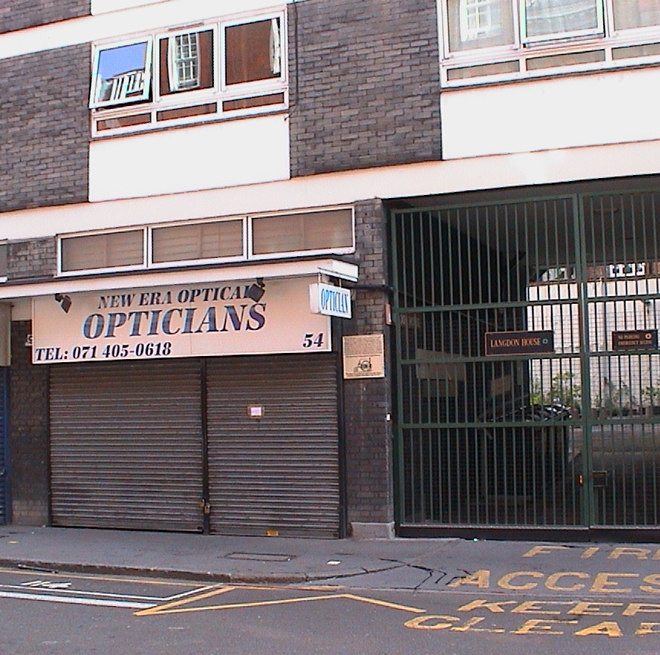
Behind these unassuming gates stood the workshops of William Felton, a respected London coachmaker whose clientele came to purchase craftsmanship, elegance, and reliability.
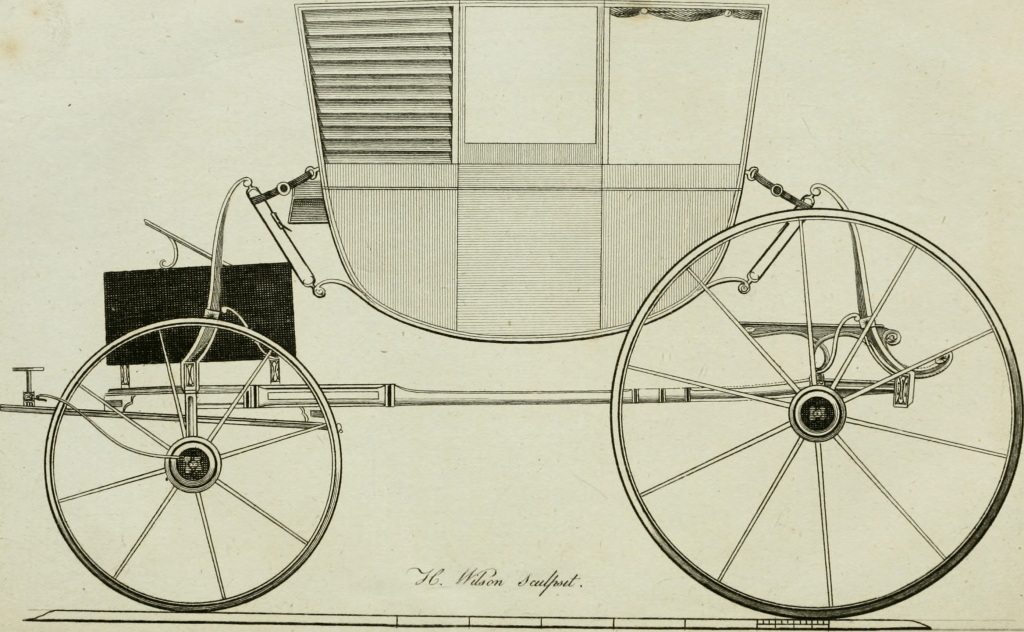

What they didn’t expect was revolution. Felton had joined forces with the brilliant but often under‑funded Cornish engineer Richard Trevithick, a pioneer of high‑pressure steam power. Together, in these workshops, they set about constructing something London had never witnessed before, a carriage that moved without horses.
The engine components were shipped up from Cornwall, and the final assembly took place right here at Felton’s works. The result was the London Steam Carriage, a curious hybrid of traditional coachbuilding and cutting‑edge engineering.
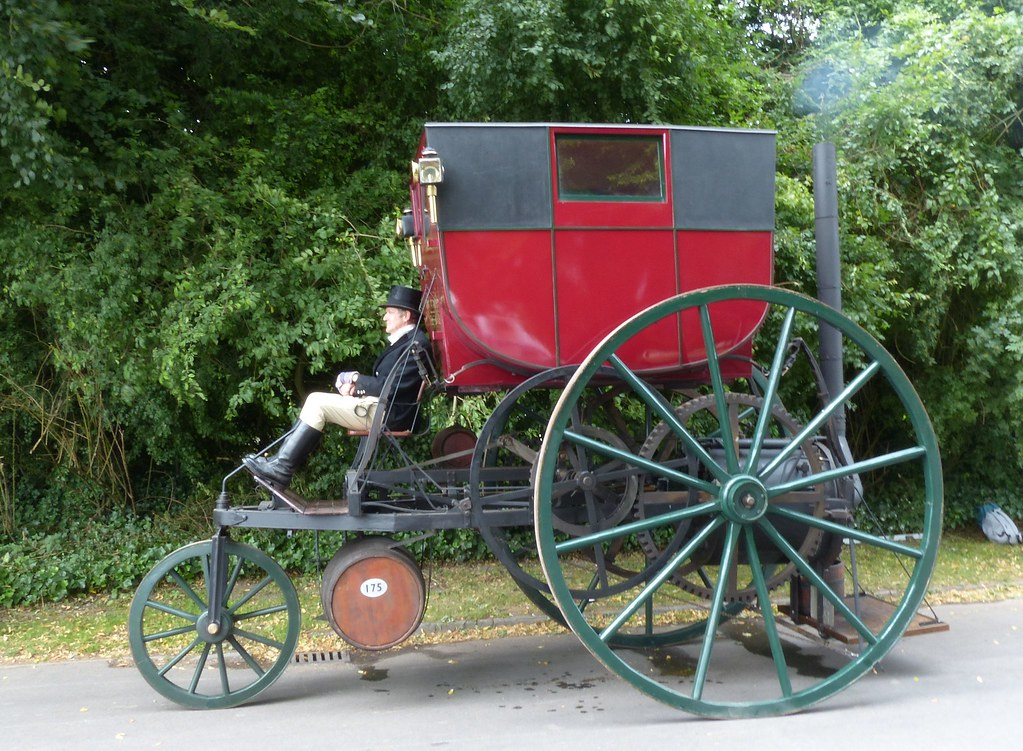
Once completed, the carriage embarked on several demonstration runs, carrying up to eight passengers. The press as is generally the case were both for and against the carriage, but the doom mongers seemed to be in the majority. There was a mix of amazement and scepticism, with some papers calling it a “curious novelty” and others doubting its practicality. Some observers told their readers that they were shocked that the machine moved “with considerable velocity” for something without horses. Comments on the noise, steam, and smell abounded, with one correspondent going as far as to say “which startled both pedestrians and animals alike“. Concerns were widespread about whether such a machine could ever be safe or economical on public roads at such tremendous speeds.
Its most celebrated outing came in July 1803, when it rattled from Hatton Garden up Gray’s Inn Lane, across Tottenham Court Road, out to Paddington, and back through Islington, a ten‑mile round trip at speeds topping 4 mph. Crowds gathered along the route, drawn by the noise, the steam, and the sheer novelty of a vehicle that moved under its own power.
Unfortunately, a later trial ended in disaster with the carriage crashing into railings, which was well reported in those press publications that were against the vehicle due to it’s excessive speeds. Combined with a lack of investors and dwindling funds, the project was abandoned and the machine scrapped.
Yet Trevithick and Felton’s creation earned its place in history: the first self‑powered vehicle on London’s roads, and the world’s first passenger‑carrying road vehicle. In its noisy, experimental way, the London Steam Carriage opened the door to everything that followed.

 A LONDON MISCELLANY
A fascinating slice of history!
LikeLiked by 1 person
How absolutely fascinating! I wonder why this footnote in history isn’t more widely celebrated?
LikeLiked by 1 person