Well after a slightly longer break than I had imagined this week sees me back in harness once again.
Through my own ineptitude I started the New Year off with not one, but three new audio tours all clamouring for my attention like noisy children. Well you can’t have favourites can you? The upshot of this is that I’ve had to give them all the same care and attention, which has seen me spend the most part of this week tramping the streets of London with the FitBit Christmas present going into meltdown as my step count virtually quadrupled. Anyway I digress, and on that note I’m hoping to set the bar quite high this year on titles of pieces that I post here.
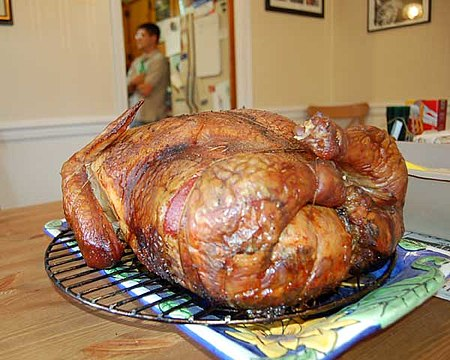
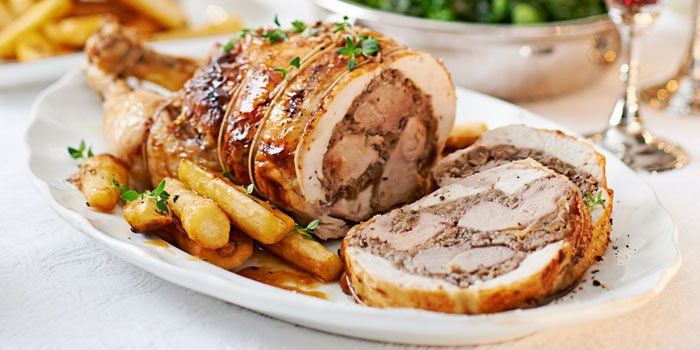
I was rifling through some old Victorian recipe books over Christmas, actually looking for a rather nice gingerbread stuffing, when I came across a monstrous offering. A 20lb turkey stuffed with goose, duck, mallard, guinea fowl, chicken, pheasant, partridge, pigeon and woodcock. Aldi’s being right out of woodcock I passed and went for the usual turkey crown. Let me leave you for a moment with the smell of thrice boiled sprouts lingering in your memory and jump forward to this week.
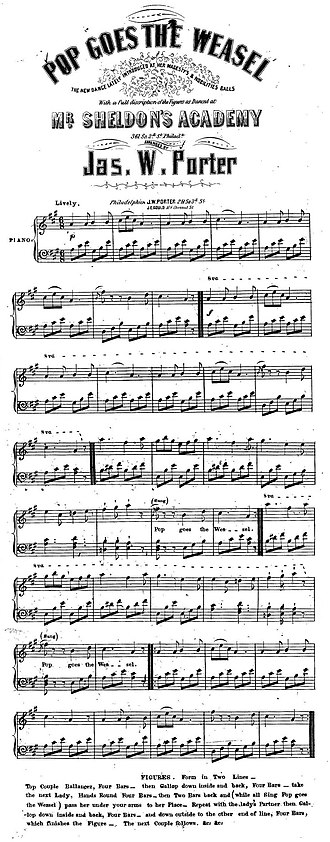
One of these audio tours clamouring for attention came about when I awoke one morning with a nagging earworm, Pop Goes The Weasel! Many think of it as a children’s nursery rhyme, but in fact it came to prominence in the 1850s as a dance. The tune itself appears to be a variation on a folk song popular in the 1700s known as “The Haymakers“. The music with words added was published in 1852 by Miller and Beacham of Baltimore as “Pop goes the Weasel for Fun and Frolic“. It seems the dancing fraternity took it to their hearts and it became a very popular dance to close the evening with. A ball held in Ipswich on the13th December 1852 ended with “a country dance, entitled ‘Pop Goes the Weasel’, one of the most mirth inspiring dances which can well be imagined.” The same month an ad in the Birmingham Journal offered lessons in the “Pop Goes The Weasel” dance, described as a “highly fashionable Dance, recently introduced at her Majesty’s and the Nobility’s private soirees“
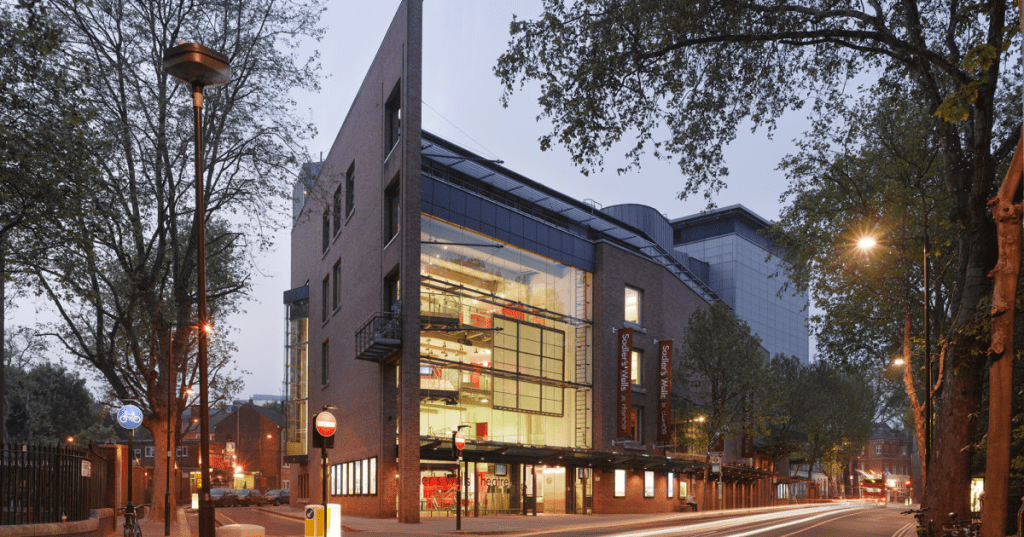
And it’s the connection with dancing that links into this piece. A you may already know there’s a line in the song, “Up and down the City Road”. The aforesaid runs through the area of the Angel in Islington. Very close to this is Sadler’s Wells Theatre, now synonymous with Ballet.
The theatre is named after Dick Sadler. Dick had opened what was described as “A musick house, being of a modest wooden construction”. in the 1860s. During building he found three wells on his land. At the time taking the waters from places such as Bath and Tunbridge were starting to get very popular, so Dick decided to market the waters on his land. He approached an eminent physician who tested the water and praised its supposed health-giving properties.
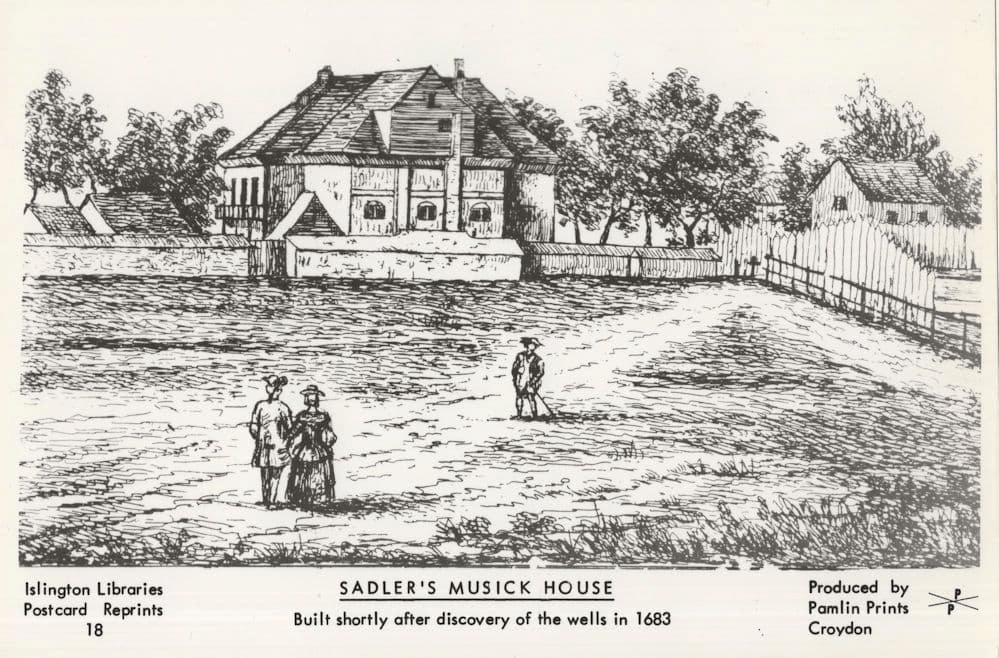
Visitors to the Musick-House began to drink it, and many physicians recommended it. By 1685 six hundred people frequented the Music-House every morning for the water. Sadler built ornamental gardens and engaged entertainers to amuse his patrons and took on a business partner a violinist, Francis Forcer. The initial popularity of Sadler’s spa didn’t last long, by 1691 it had ceased to be a fashionable resort. He sold his wells, the summer garden entertainments becoming the main draw complemented by the all year round Music House.
Dick Sadler died around 1697 and Francis Forcer went into partnership with a glove maker James Miles, and the little wooden auditorium was renamed “Miles’ Music-House”. The public could hear ballad singers and see jugglers, wrestlers, fighters, dancing dogs and, according to one newspaper article , “The audience were enchanted never more so, than by a singing duck“.
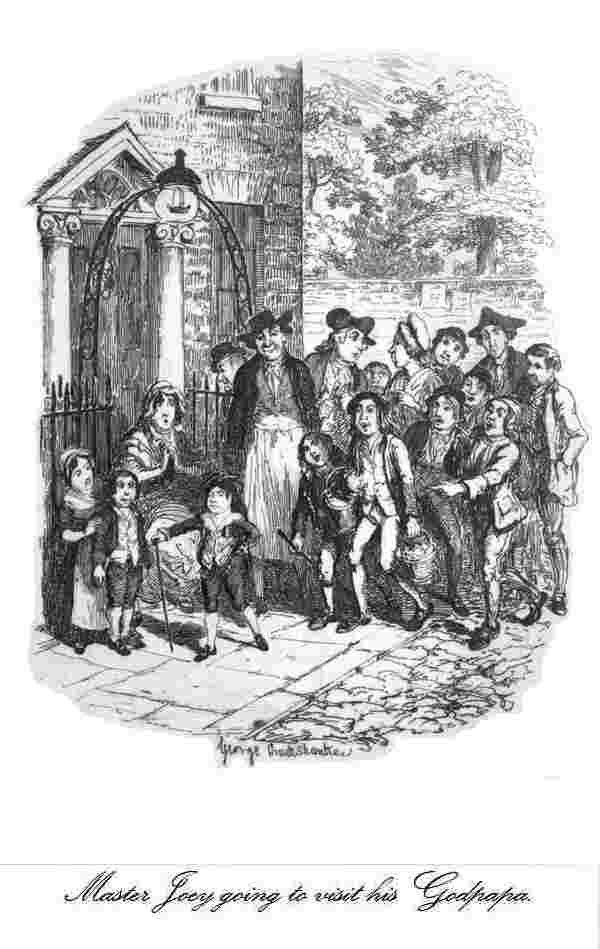
Gradually the reputation of the spa declined and by the mid 1730s the theatre had lost any vestiges of being a fashionable venue and was satirised as having an audience consisting of tradesmen and their pretentious wives. It was described as “a nursery of debauchery, frequented by many unaccountable and disorderly people” and violent crimes were commonplace.
James Miles died in 1724,and under Forcer’s son the auditorium was “entirely new modelled and made every way more commodious than heretofore for the better reception of company and was successful in driving away the mass of incomprehensible vagabonds“. However, this was short lived and by 1741 the authorities had stepped in and closed the resort.
The lease was acquired by Thomas Rosoman, who reopened Sadler’s Wells in 1746, enlarging the old wooden music house in 1748 to put on a program of plays. In 1763 Rosoman engaged the dancers from the Theatre Royal, Drury Lane to perform half yearly, as licensing laws only permitted theatrical performance for six months in the year. The original construction was demolished in 1765 and Rosoman, a builder by trade had a new stone theatre constructed.
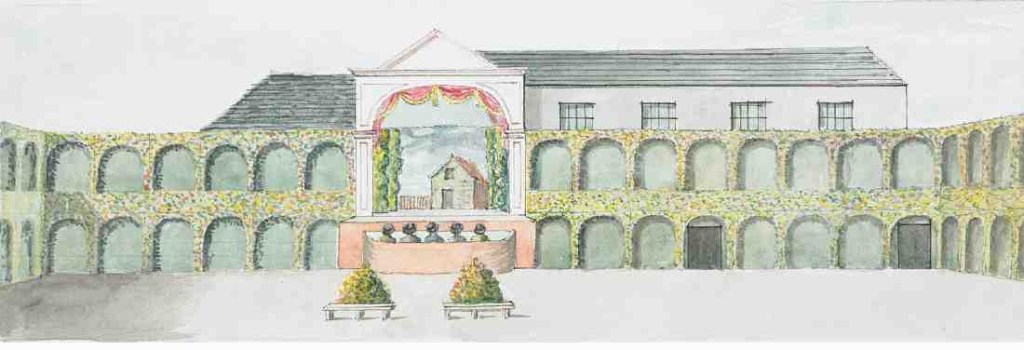
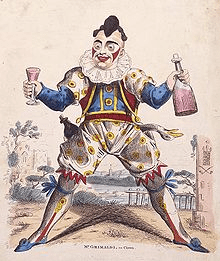
A London newspaper commented, “Sadler’s Wells is now rebuilt and considerably enlarged; each of the entrances is decorated with an elegant iron gate and palisades, with a degree of splendor and magnificence that do equal honour to the taste and liberality of the Proprietor“. In 1781 Joseph Grimaldi made his debut, aged two, dancing with his sister. Grimaldi was to go on to become the most famous entertainer of his time.
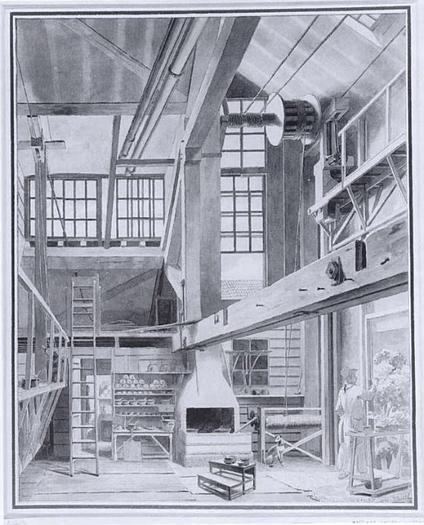
In 1802 the theatre was again redeveloped and included a huge water tank for the production of aquatic spectacles. This tank and a second, above the stage to provide waterfall effects, were supplied with water from the New River Head. Several owners found it difficult to keep the theatre commercially viable, resorting to more music hall style acts than classical productions and the clientele became more earthy and it closed in 1874.
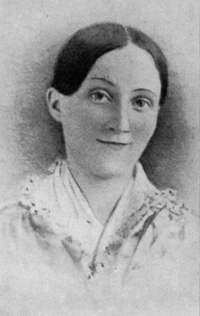
American Actress Sydney Bateman bought the theatre in 1879 commissioning a new auditorium. hoping to elevate the reputation of the theatre, but died within two years. Within months a newspaper reported, “the Saturday night gallery contained the most villainous, desperate, hatchet-faced assembly of ruffians to be found in all London“.
By the early twentieth century it had become a part time cinema and the building had deteriorated to the extent that it closed in 1915 never to reopen.
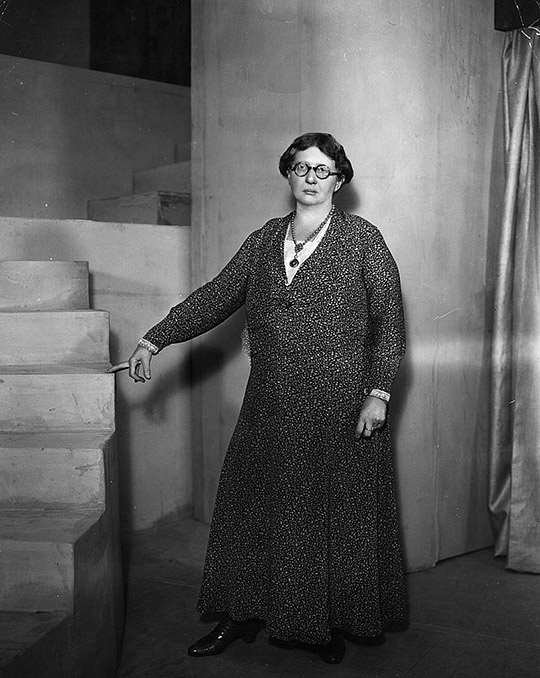
Theatre proprietor and philanthropist Lilian Baylis began a campaign to reopen the derelict Sadler’s Wells. She raised the necessary funds and a new theatre opened in 1931. For the first few years the opera, drama and ballet companies, known as the “Vic-Wells” companies, moved between the Old Vic and Sadler’s Wells but by 1935 the ballet and opera companies took up residence here until the 1960s when due to size constrictions the opera company moved to the London coliseum.
Todays building opened in 1998 with a design that gives a nod to it’s past and it’s here that I’ve taken the liberty with the title of this piece as it incorporates the skeleton of the 1931 theatre, which itself contained bricks from the Victorian 1879 structure. So in essence a theatre within a theatre, within a theatre. It’ll get worse as the year progresses!

 A LONDON MISCELLANY
Really interesting – i also wish that “hatchet-faced assembly of ruffians” was in more common parlance 🙂
LikeLiked by 1 person
Glad you liked it. It’s a great description isn’t it, I can see them now glowering at the rest of the audience.
LikeLiked by 1 person