
Whenever I’m wandering around during the festive period, I like to play a little game. If I pass some sort of iconic building or structure I’ll stop and try to imagine what it or the surrounding area would look have looked like during past Christmas’. These nearly always take the form of a Victorian yuletide scene, possibly because it’s so deeply buried in our Christmas consciousness. I have to say this pastime is a lot easier if you can seat yourself in a local hostelry and view said location through a couple of glasses of their finest.
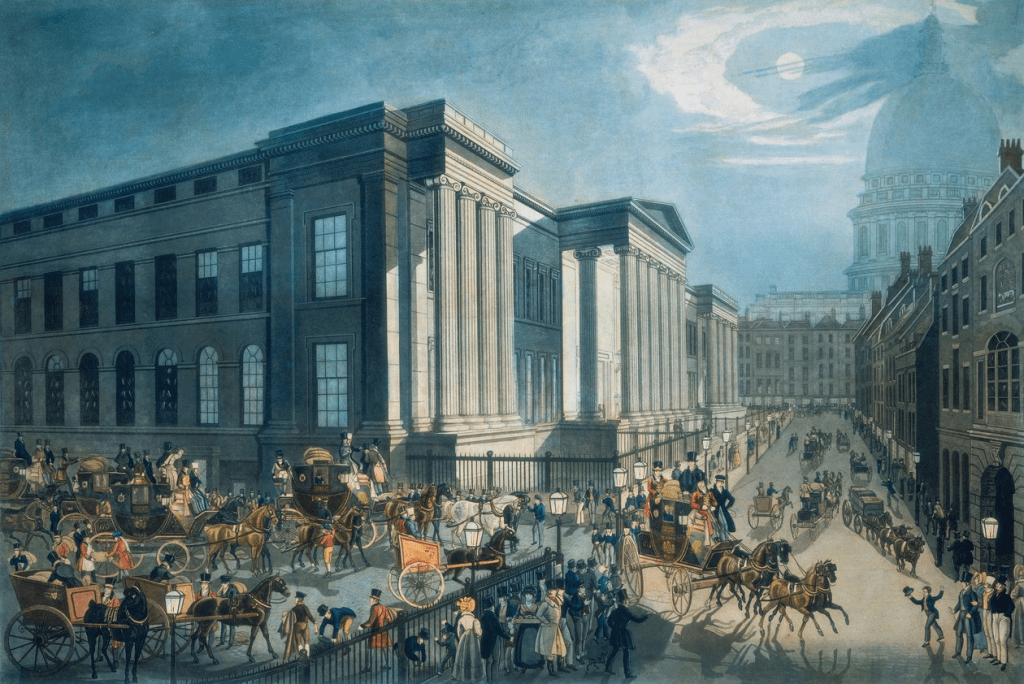
I once sat for an hour looking at the site of the Central Post Office on St Martin’s Le Grand even though it was demolished in 1912, imagining the comings and goings of this vital location in the run up to Christmas on a cold snowy evening just before closing time. The street packed with Royal Mail coaches jostling to get out of the cramped surroundings and hit the open road to all points of the compass. Members of the general public sauntering along to deposit their newly fashionable Christmas cards into the post boxes that lined the building and above all a legion of office boys, laden down with bags and satchels overflowing with parcels, correspondence and documents generated from the multitude of businesses in the City.
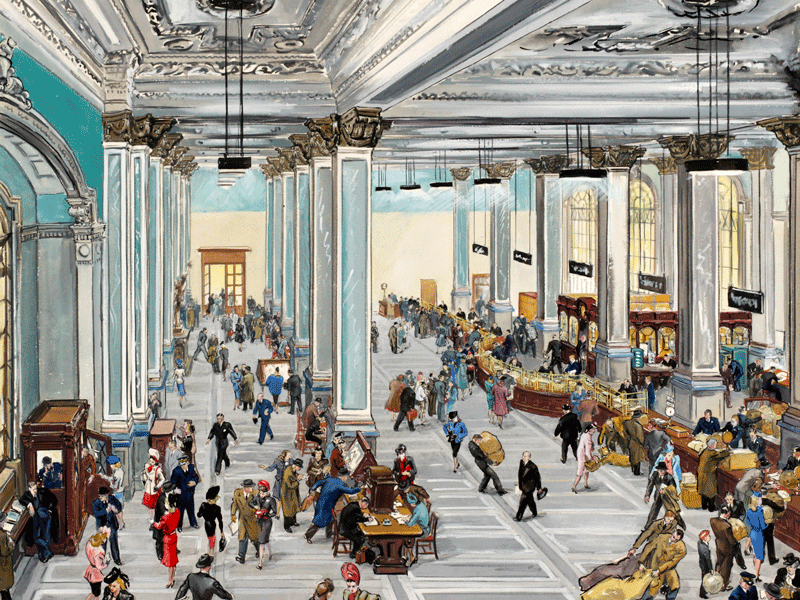
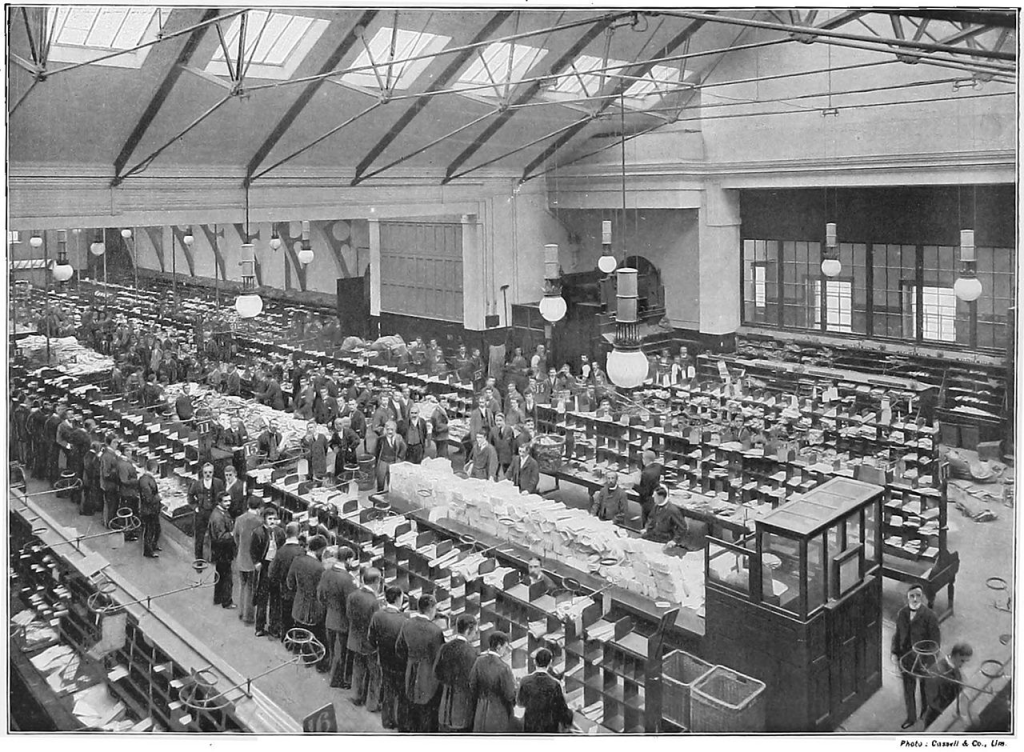
These boys would be heading for the opening of a large chute set into the wall of the building. So large was the amount of business mail generated on a daily basis that it was forbidden for the errand boys to enter the cavernous interior of the Post Office with their baggage for fear of monopolising every counter clerk in the building. So a system had been devised for the business post to be deposited into the chute which lead into the basement where an army of Post Office staff sorted the deluge for dispatch.
The chute on the outside was covered by a wooden hatch, which at the beginning of trading for the day was hoisted from inside allowing mail to be deposited. At close of business the hatch would slam shut and woe betide any unlucky errand boy who had not managed to deliver his charges down the chute in time and would have to suffer the wrath of his employer. Consequently as closing time drew closer the scene outside the building resembled a riot as young men and boys pushed and shoved to get close enough to the hatch.
Accounts of the time say that around five O’clock the queues would begin to form outside the chute and in the beginning the line would progress quite swiftly as boys deposited small packets of letters and the occasional parcel into the cavernous interior of the sorting office. However, as time moved on the volume of mail that each boy carried increased as did the time spent getting them down the chute which held the line in check. By around half past five there could be as many as thirty boy in the slow moving line. Apparently there was a little bit of policing by post office officials to make sure that the queue did not block the main entrance, but this only served to corral the boys into an area adjacent to the chute. Between five thirty and five forty-five those arriving at the post office would in some cases toe the line and join what was the back of it, but many would take the opportunity to try and get closer to the hatch, and it is in the final fifteen minutes before six O’clock that the mayhem begins!
Report say that as the minutes ticked down towards the hour those furthest away from the chute became more and more frantic calling out to those ahead to hurry up with their calls becoming more robust and possibly some earthy language was used. It goes on to say that scuffles were commonplace as the boys vied for a better position. The melee was described as being fluid ebbing back and forth, I suppose something like you would see on the football terraces in the days before all seater stadiums.
With only a couple of minutes to go, those who had no hope in reaching the chute before it shut and probably being veterans of the conflict would strategically position themselves. The reason for this was that if their load was light enough, when an opportunity arose, they would hurl their bags towards the opening with unerring accuracy and job done would return to their place of work. Those that missed the target would have to wait until the crowd had dispersed after closing time and return shame faced to whatever admonishment awaited from their employer.
There was another option which could be taken and this depended on the size of the boy and his level of desperation. Possibly boys who missed the post on several occasions would be in fear of losing their jobs and so desperate measures would be taken, and it is this procedure that leads me onto a story I found relating to Christmas Eve 1878.
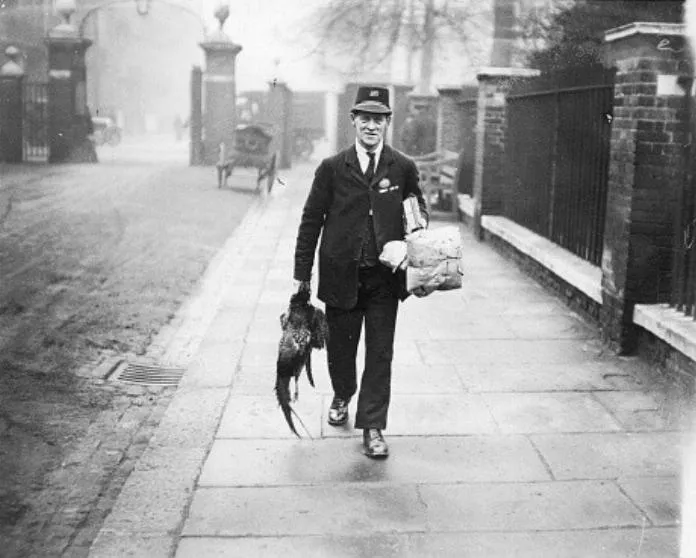
Christmas Day postal deliveries were normal for the time, Royal Mail only curtailing the delivery of letters on Christmas Day in 1960. Although Christmas Day had been deemed a Day of Rest as early as 1834, many businesses still opened during the morning and it wasn’t until 1871 that Boxing Day became a Bank Holiday. So, to miss the Christmas Eve collection was to set back the arrival of a letter or parcel four to five days if you take travel time into account, therefore the pressure was increased on the boys to successfully deposit their bags.
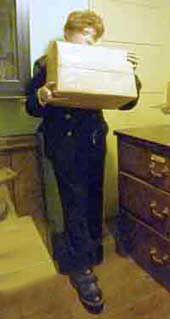
One such boy was William Spurch, a young lad of twelve and rather diminutive in stature. We will never know if William felt under pressure not to miss this particular Christmas Eve collection due to past failures, but given his description he was never of a build where he could muscle his way to the front of the scrum, so he opted for the most desperate option. Again we’ll never know if he had tried this method before or only seen others attempting it.
Taking a few paces back from the heaving throng and securing his parcel bag around his waist he propelled himself at the fringes of the crowd and used the first person in his way as a human ladder. He then proceed to scrabble over the heads of those below, similar to crowd surfing at a music gig. Obviously those below would take exception to this and would try and pull him down, but William was too agile and managed to slither his way towards the chute and with only seconds to spare found himself adjacent to the opening.
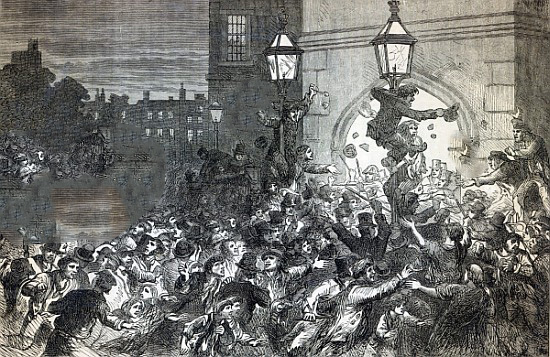
Untethering the mail bag from his waist it seemed as if victory was his as he hurled the bag into the chute’s dark recesses. However the Christmas faits were not with William and the chord that secured the top of the bag caught on one of the cuff buttons of his coat causing him to overbalance and follow the bag down the chute. Those around him intent on making their own deliveries in time seemed to pay little attention to William’s plight and as he bumped and tumbled the thirty or so feet into the sorting office below. he was pursued by the remaining bags that managed to make it through before the hatch banged shut.

Landing at the bottom William was concussed and lapsed into unconsciousness, and there he stayed for several hours until a worker spotted a pair of feet sticking ungainly out of the jumble of mailbags. A Doctor was summoned and it was found that apart from cuts and bruises William had suffered a broken arm.
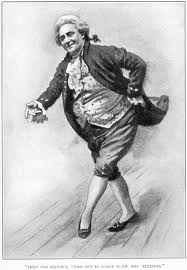
Now if this story was to be told through our own rose tinted Victorian Christmas glasses, William would have either spent a very comfortable Christmas in hospital, or he would have been taken home, where on hearing the news a concerned Fezziwigian employer would have called round with a large turkey and a figgy pudding to praise the diligence of his messenger boy and offer a period of recuperation before a return to duties. However, the actual details are more Dickensian in their harshness.
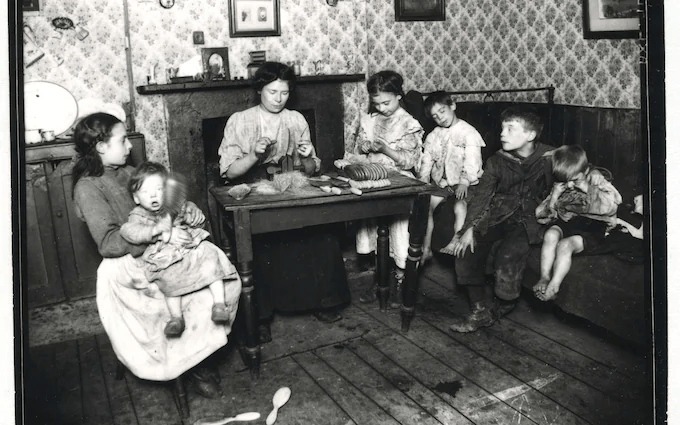
The report says that on the day after Boxing Day, William was to be seen outside the post office, bag in his good hand and a rudimentary splint on his broken arm. His family could ill afford to have him treated properly or to miss out on his wage. I suppose we can only imagine the Christmas enjoyed in the Spurch household that and every year.

 A LONDON MISCELLANY
Oh what a tale of woe. Without even a particularly happy ending.
LikeLiked by 1 person
Yes, something to cut through this shmaltzy time of year 🙂
LikeLiked by 1 person